Planning a European vacation is exciting, but timing can completely change the experience. Weather, crowds, seasonal events, and prices all shift dramatically throughout the year. Travelers often ask the same question before booking flights or planning itineraries: When is the best time to travel to Europe?
The answer depends on what kind of trip is being planned. Some travelers want long sunny beach days in places like Greece or Italy, while others prefer quiet museum visits in cities such as Paris or Vienna. Recent travel reports and tourism insights show that more travelers are choosing flexible travel windows and looking beyond peak summer months to enjoy better weather, lower prices, and fewer crowds.
This guide explains the best time to travel to Europe month by month. Each season brings its own atmosphere, from spring flowers in Amsterdam to cozy winter markets in Prague. Understanding how Europe changes throughout the year helps travelers plan smarter trips that match their interests, budgets, and travel style.
When Is The Best Time To Travel To Europe?
The best time to travel to Europe often falls during the shoulder seasons, which occur in spring and early autumn. These months usually offer comfortable temperatures, manageable crowds, and more affordable flights and hotels compared with the busy summer travel season.
Travel experts frequently highlight April, May, September, and October as ideal months. During these periods, cities feel lively but not overcrowded, and the weather is typically mild enough for sightseeing. Outdoor cafés open across cities like Paris and Barcelona, and many cultural festivals take place throughout the continent.
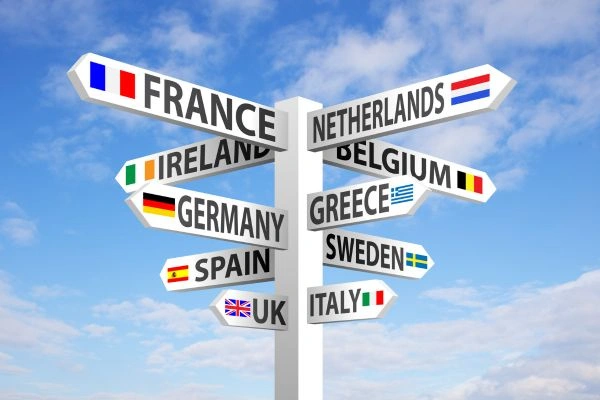
Summer months such as July and August remain popular because of school holidays and beach weather. However, major destinations like Rome, Venice, and Santorini often experience large crowds and higher prices. Winter travel, on the other hand, can be quiet and budget-friendly, especially for travelers interested in museums, skiing, or festive Christmas markets.
Europe Travel Seasons At A Glance
Before exploring each month, it helps to understand Europe’s four main travel seasons.
Spring (March To May)
- Mild weather returns after winter
- Gardens and parks bloom
- Crowds remain moderate
- Perfect for city sightseeing
Summer (June To August)
- Long sunny days
- Peak tourism season
- Ideal for beaches and festivals
- Highest prices and busiest attractions
Autumn (September To October)
- Pleasant temperatures
- Wine harvests and food festivals
- Fewer tourists than in the summer
- Often considered the best travel window
Winter (November To February)
- Cold temperatures in many regions
- Lower prices and fewer crowds
- Christmas markets and ski season
- Shorter daylight hours
Choosing the right season often depends on priorities such as sightseeing, festivals, beach vacations, or budget travel.
January: Quiet Cities And Winter Charm
January is one of the calmest months to explore Europe. After the holiday season ends, major tourist crowds disappear from many cities. Travelers can walk through historic neighborhoods without long lines at famous attractions.
Cities such as Vienna, Prague, and Copenhagen feel particularly atmospheric during winter. Snow often covers historic buildings, and cozy cafés offer warm drinks and traditional desserts. Museums, art galleries, and opera houses are also less crowded during this time, making January ideal for cultural exploration.
Another advantage of traveling in January is the cost. Hotels and flights are typically cheaper than in the peak summer months. Budget-conscious travelers often find excellent deals on accommodations in cities like Berlin, Budapest, and Lisbon.
However, travelers should prepare for cold temperatures and shorter days. Northern and central Europe can experience freezing weather, so winter clothing is essential. Despite the chill, January offers a peaceful and authentic way to experience European cities.
February: Romantic Cities And Cozy Experiences
February is often associated with romance in Europe. Cities such as Paris, Venice, and Florence become popular destinations for couples celebrating Valentine’s Day. Restaurants, cafés, and historic hotels create a warm and intimate atmosphere during this time.
One of the most famous events in February is the Venice Carnival, a centuries-old celebration known for elaborate masks and costumes. Streets and canals fill with performers, music, and festive energy. Travelers interested in cultural traditions often plan trips specifically around this event.
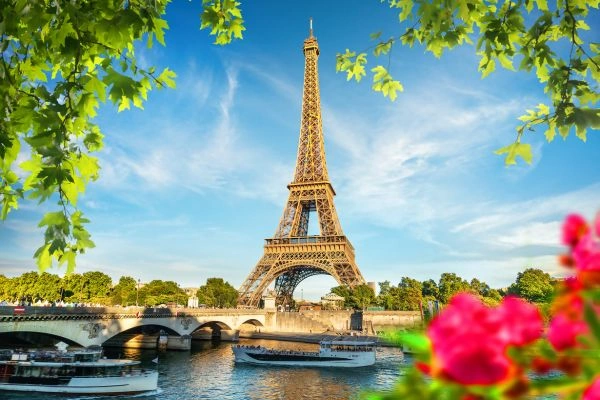
The quieter tourist environment continues throughout most European destinations in February. Travelers can explore famous landmarks such as the Eiffel Tower or the Colosseum with fewer crowds than during the summer months. Winter scenery also adds a unique charm to historic cities.
While some coastal destinations remain quiet in winter, southern regions such as Spain and Portugal offer milder weather. Cities such as Seville and Lisbon often enjoy sunny afternoons that make outdoor sightseeing comfortable.
March: Early Signs Of Spring
March marks the gradual transition from winter to spring across Europe. Temperatures begin to rise in southern regions, and the first signs of blooming flowers appear in parks and gardens.
Cities like Rome, Madrid, and Barcelona become lively again as outdoor cafés reopen and travelers return. Cultural events and festivals also begin to appear on the calendar. Saint Patrick’s Day celebrations in Dublin attract visitors from around the world each year.
March offers a balanced travel experience. Attractions remain relatively uncrowded, yet the weather becomes more pleasant for sightseeing. Travelers can comfortably explore historic neighborhoods, museums, and scenic viewpoints.
Another advantage of traveling in March is affordability. Flights and accommodations are still reasonably priced compared with peak summer months. This makes early spring a smart choice for travelers looking to enjoy Europe without the busy tourist atmosphere.
April: Spring In Full Bloom
April is one of the most visually beautiful months to visit Europe. Parks, gardens, and countryside landscapes burst into color as flowers bloom across the continent.
The Netherlands becomes particularly famous during this season. Fields of tulips attract visitors to destinations like the Keukenhof gardens near Amsterdam. Cities such as Paris and London also showcase beautiful spring scenery, with tree-lined boulevards and vibrant parks.
April is also known for cultural and religious celebrations. Easter processions in cities such as Seville and Málaga are dramatic events that draw large crowds. These traditions combine music, art, and history in powerful public displays.
The weather during April is generally mild, making it comfortable for walking tours and outdoor attractions. Travelers often enjoy exploring historic streets, open-air markets, and scenic riversides during this pleasant season.
May: One Of The Best Months For European Travel
May is widely considered one of the best times to travel to Europe. Spring weather reaches its peak during this period, offering comfortable temperatures and longer daylight hours.
Cities feel vibrant yet not overwhelming, making sightseeing enjoyable. Outdoor terraces fill with locals and visitors enjoying coffee, pastries, and traditional meals. In many destinations, seasonal food markets highlight fresh produce and regional specialties.
Major cultural events also take place during May. The Cannes Film Festival in France attracts international filmmakers, celebrities, and movie enthusiasts. London hosts the famous Chelsea Flower Show, showcasing spectacular garden designs and floral displays.
Travelers often find that May offers the perfect balance between lively cultural activity and manageable levels of tourism. Hotels and attractions remain busy but not as crowded as they will be during summer.
June: The Beginning Of Summer Adventures
June marks the beginning of summer travel across Europe. Warm temperatures arrive in many regions, and daylight hours stretch late into the evening.
Coastal destinations become increasingly popular during this month. Areas such as the Amalfi Coast in Italy, the Algarve in Portugal, and Croatia’s Dalmatian Coast attract travelers looking for sunny beaches and beautiful sea views.
Cities also host music festivals, outdoor markets, and cultural events throughout June. Evening walks through historic streets often continue long after sunset because of extended daylight hours.
However, June also signals the start of the busy travel season. Hotels, flights, and popular attractions begin to fill quickly. Travelers planning summer trips should consider booking accommodations several months in advance.
July: Peak Summer Travel
July is one of the busiest months for European tourism. Families, students, and international travelers fill popular destinations across the continent.
Beach destinations thrive during this time. Greek islands such as Santorini and Mykonos attract visitors seeking vibrant nightlife and clear Mediterranean waters. Spain’s Ibiza and Italy’s Sardinia have also become lively summer hotspots.
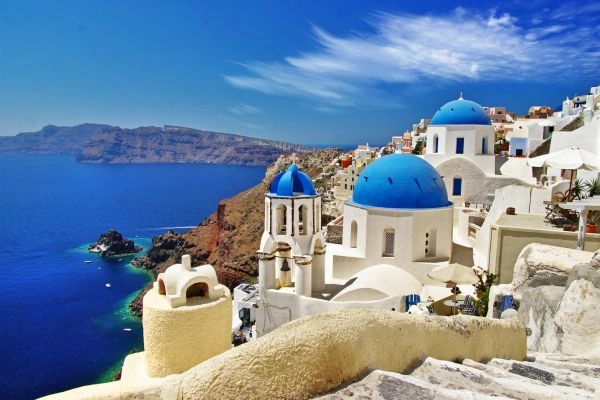
Cities host major cultural festivals, concerts, and open-air events throughout July. Long sunny days create the perfect environment for outdoor dining and evening sightseeing.
However, the high demand for travel during this period leads to crowded attractions and higher prices. Travelers visiting famous cities like Rome or Paris should expect long lines at major landmarks and busy public transportation.
August: Mediterranean Energy And Summer Festivals
August continues the peak summer travel season across Europe. Coastal towns and beach destinations remain full of visitors enjoying warm weather and lively nightlife.
In many Mediterranean countries, August is also a popular vacation month for locals. Residents travel to seaside resorts, which means cities can feel quieter while beaches become extremely busy.
Travelers who enjoy energetic atmospheres often love visiting Europe during this time. Festivals, concerts, and open-air events fill city squares and coastal promenades.
However, heat can be intense in southern regions such as Spain, Italy, and Greece. Temperatures sometimes reach extreme levels, making midday sightseeing uncomfortable.
September: The Sweet Spot For European Travel
September is frequently described as the best time to travel to Europe. Summer crowds begin to fade as school holidays end, yet the weather remains warm and pleasant.
Many coastal destinations still offer comfortable swimming conditions, while cities become easier to explore. Restaurants, cafés, and historic sites remain open, but long lines and packed streets are less common.
Wine regions across France, Italy, and Portugal celebrate harvest season during September. Travelers can visit vineyards, attend food festivals, and experience traditional winemaking culture.
Recent travel trends also show growing interest in autumn travel across Europe. Experts note that shoulder-season trips offer better value and more relaxed experiences than peak summer travel.
For many travelers, September offers the perfect mix of sunshine, culture, and comfortable exploration.
October: Golden Autumn Landscapes
October brings cooler temperatures and beautiful autumn colors across much of Europe. Forests, vineyards, and countryside landscapes turn shades of gold, red, and orange.
Cities such as Vienna, Prague, and Budapest feel especially romantic during autumn evenings. Outdoor cafés often remain open with heaters, allowing visitors to enjoy local cuisine while watching the changing seasons.
One of the most famous events in October is the Oktoberfest in Munich, Germany. This festival celebrates Bavarian culture with traditional food, music, and world-famous beer halls.
October is also a great time for food-focused travel. Seasonal ingredients such as mushrooms, truffles, and fresh wine appear on menus across Italy and France.
November: Quiet Cultural Travel
November is one of the quietest months for tourism in Europe. Cooler weather and shorter days discourage large crowds, creating a peaceful travel environment.
Cities like London, Brussels, and Berlin become ideal destinations for museum visits, theater performances, and cultural exploration. Travelers can spend hours in historic galleries without dealing with heavy tourist traffic.
Hotels and flights are often significantly cheaper during November. Budget travelers can find excellent deals on accommodations in major cities.
Although outdoor sightseeing may feel chilly, indoor attractions make this a rewarding time for culture lovers. Historic libraries, museums, and art galleries remain vibrant during this season.
December: Festive Markets And Winter Magic
December transforms Europe into a festive holiday destination. Christmas markets appear in historic squares across Germany, Austria, France, and the Czech Republic.
Cities such as Strasbourg, Munich, and Prague become famous for their charming holiday markets. Wooden stalls sell handmade gifts, ornaments, and traditional foods such as roasted chestnuts and mulled wine.
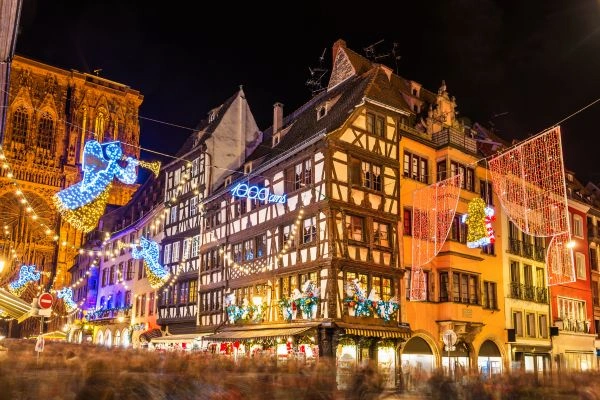
Holiday lights decorate historic buildings, and festive music fills public squares. Travelers often enjoy evening walks through illuminated streets while sampling seasonal treats.
December travel can feel magical, especially in cities known for traditional Christmas celebrations. However, popular markets can attract large crowds, particularly during weekends.
Smart Tips For Planning A European Trip
Choosing the best travel month depends on individual priorities. Consider these tips when planning a trip across Europe.
Think About Travel Style
Some travelers prefer lively festivals and nightlife, while others enjoy peaceful cultural exploration. Matching travel style with the right season can greatly improve the experience.
Consider Weather Preferences
Southern Europe becomes extremely hot during the summer months. Travelers who dislike heat may prefer spring or autumn visits.
Plan Around Major Events
Festivals such as Oktoberfest, the Venice Carnival, or major film festivals attract huge crowds. Booking accommodations early is essential.
Look For Shoulder Season Deals
Travel experts often recommend shoulder seasons because they combine pleasant weather with lower prices and smaller crowds.
Choosing The Best Time To Travel To Europe
Europe offers something special every month of the year. From snowy winter cities to sunny Mediterranean beaches, each season creates a different kind of travel experience. The best time to travel to Europe ultimately depends on personal preferences, travel goals, and budget. Spring and autumn are often considered ideal because they combine comfortable weather with manageable crowds. With thoughtful planning, travelers can enjoy unforgettable experiences anywhere in Europe. Whether wandering through spring flower gardens in Amsterdam or sipping wine during autumn harvest festivals in Italy, the continent offers endless opportunities for discovery.