Solo travel continues to surge worldwide as a mainstream and meaningful way to explore the world. More people are choosing to travel alone for reasons that go beyond simple adventure. People seek connection, personal growth, independence, and cultural immersion. Trends from major travel platforms and industry data reveal solid growth in solo bookings, influencing how travel companies, destinations, and safety tools evolve to support these independent travellers. This article explores why solo travel is on the rise, the trends shaping this movement, and essential tips to make every solo journey safe, empowering, and unforgettable.
The Solo Travel Boom In 2026
Global travel data shows that solo travel is rising at a noticeably fast pace. On hotel platforms and booking sites, the use of filters for solo travellers increased by 83% year over year, indicating that more individuals are booking travel without companions. What is notable is that travellers are not just travelling alone to see new places. Many embark on solo trips to make social connections, meet new people, or open themselves up to shared experiences along the way.
Solo travel is also not limited to younger generations. Older travellers, especially women over 50, make up a growing demographic in solo travel markets. They are drawn to experiences that combine cultural depth, wellness, and nature‑based adventures. Tour companies are adapting their offerings to include options that appeal to solo travellers of all ages while maintaining group safety and flexibility.
Asia stands out as a region with rapid growth in solo travel, particularly in urban hubs such as Tokyo, Seoul, Bangkok, Osaka, and Kuala Lumpur. Unaided searches for solo travel accommodations grew by over 16 percent in 2025, with the trend expected to continue this year.
Experts note that one of the defining characteristics of this travel trend is that travellers are not just seeking spectacular sights but deeper, more authentic local experiences. Culinary travel and food‑focused exploration are examples of activities that help travellers connect with culture and with other people along the way.
Why More People Are Choosing To Travel Solo
Several factors fuel the rise of solo travel.
Personal Growth And Self-Discovery
Traveling alone forces an individual to adapt, solve problems, navigate unfamiliar environments, and step outside their comfort zone. Around 28 percent of independent travellers say solo trips significantly boost their confidence and independence. These experiences often contribute to mental resilience and personal transformation that group travel may not always offer.
Freedom To Choose Personal Interests
Only travellers can design a journey that reflects their unique preferences. They can pursue specialised interests such as hiking remote trails, engaging in food‑focused experiences, participating in cultural events, or enrolling in language classes without compromising a travel partner’s itinerary or pace.
Improved Safety Tools And Infrastructure
Modern technology plays a strong role in making solo travel more accessible and safer. Safety apps, location sharing, and real‑time alerts help solo travellers have peace of mind while they explore unfamiliar areas. Governments and urban planners are also improving infrastructure, such as lighting, public transit, and security measures, in many popular destinations to support the solo travel community.
Digital Natives Leading The Way
Younger generations, especially Gen Z and millennials, are rewriting travel norms by prioritising independence and digital convenience. Many prefer to travel alone rather than wait for a partner or group. This mindset contributes to a culture where solo travel is not only acceptable but also aspirational and lifestyle‑driven.
Social And Cultural Shifts
Solo travel now intersects with other lifestyle trends such as solo dining, remote work, and flexible schedules. Although some restaurants still struggle with seating individual guests, the larger travel and hospitality industries increasingly cater to solo guests with single‑room options, tailored tours, and social activities designed for independent travellers.
Destinations That Are Solo-Friendly
Choosing a suitable destination is crucial for a solo trip.
Urban Exploration And Cultural Hubs
Cities like Tokyo, Seoul, Amsterdam, Lisbon, and Vancouver top solo travel lists for their combination of safety, public transit, cultural attractions, and social spaces. Urban environments offer plenty of activities, easy navigation, and varied dining options. Many of these cities also feature well‑developed travel infrastructure, making planning smoother.
Food And Cultural Experiences
Destinations that offer immersive local food experiences are particularly popular among solo travellers. Places such as Athens, Porto, Tokyo, and Mexico City provide street markets, shared tasting tours, and cooking classes that encourage social interaction and culinary discovery.
Natural And Outdoor Escapes
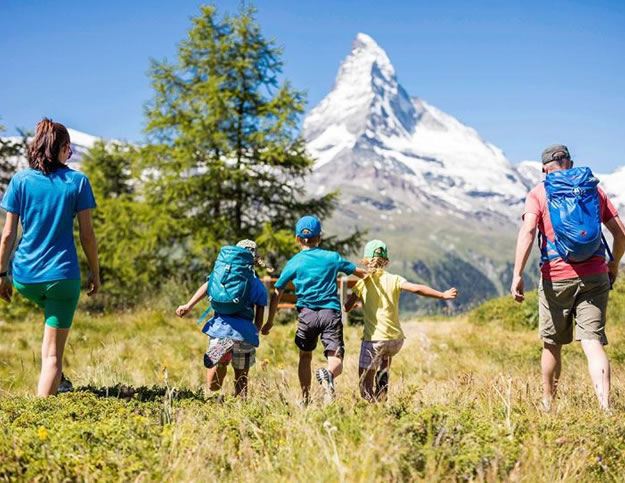
Nature‑based trips from the Swiss Alps to the national parks of Canada or the volcanic landscapes of Indonesia appeal to those seeking solitude with stunning views. These destinations often have organised tours or easy‑to‑follow trail systems that are inviting for solo visitors who want to explore at their own pace.
Secondary Cities And Local Neighbourhoods
Experienced solo travellers increasingly explore “secondary cities” that offer authentic culture without overwhelming crowds. Places like Bologna, Mérida, and Ghent offer walks, cafés, museums, and community events that encourage independent exploration rather than high-tourist-density experiences.
Essential Tips For Solo Travelers
Solo travel can be both exciting and complex. The following tips help ensure that every journey is enjoyable, secure, and well organised.
Plan With Precision But Stay Flexible
A well-planned itinerary helps control time, expenses, and logistics. Secure key bookings early, such as flights, accommodations, and major activities, while allowing space for spontaneous experiences.
Prioritise Safety And Awareness
Safety should be a core consideration. Choosing accommodations in safe neighbourhoods with positive reviews gives peace of mind. Always make sure someone at home knows your basic itinerary and maintain regular check‑ins throughout your trip. Research common scams and transportation issues in your destination to avoid unnecessary risks.
Make sure you stay connected. Investing in a local SIM card or global data plan ensures access to maps, translation apps, transport schedules, and emergency contacts.
Use Technology And Tools That Support Solo Travel
A range of tools can enhance safety, convenience, and confidence during solo travel:
- Safety Apps: Apps like GeoSure provide real‑time safety scores for neighbourhoods. Tools like Noonlight offer emergency assistance with location sharing and quick alert functions. Sitata provides travel advisories and updates about health and civil disruptions.
- Navigation Apps: Apps such as Maps.Me allow offline navigation so you won’t be stranded without internet. TripIt organises all travel confirmations and details into a single itinerary that you can access on the go.
- Community Connection Platforms: Meetup, Couchsurfing, or local groups can help solo travellers connect with others for social events, guided tours, and shared activities. These platforms turn a solo excursion into a more sociable experience when desired.
Pack Smart And Light
Traveling solo means carrying everything yourself. Pack light and only bring essentials. A smaller bag reduces fatigue and makes moving between locations easier. Include a first aid kit, weather‑appropriate clothing, backup batteries or power banks, and multiple ways to store emergency cash and documents.
Learn Essentials And Local Customs
Basic knowledge of local phrases, customs, and cultural etiquette can greatly enhance interactions and comfort levels. Even simple greetings or thank you phrases show respect for the host culture and build goodwill.
Blend In Like A Local
Dress according to local norms and avoid flashy or expensive accessories that may draw unwanted attention. Blending in reduces risk and enables deeper immersion into local life.
Build Social Support On The Road
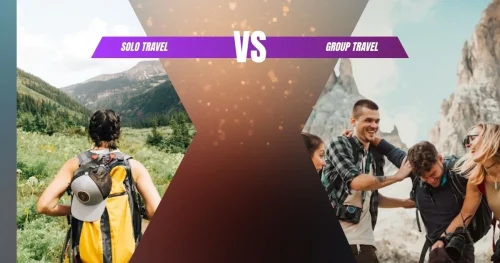
Solo travel does not mean complete solitude. Joining group tours, dining at shared tables, or participating in social activities helps forge meaningful connections. Solo travellers often find that locals and other travellers become some of the most memorable parts of their experiences.
Challenges And How To Overcome Them
Solo travellers face unique challenges that require adaptability and preparation.
Loneliness And Emotional Fatigue
There may be moments of loneliness or a longing for familiar faces. Connecting with travel communities or local events can help balance solo time with social interaction, while regular communication with family and friends back home can ease emotional strain.
Budget Management
Travel expenses can rise quickly when solo travellers have no one to divide expenses with. Setting a practical budget and tracking spending help control expenses. Prepaying for tours or transportation reduces the risk of unforeseen costs.
Navigating Unfamiliar Systems
Transport systems, language challenges, and local customs can be intimidating. Research well in advance and download guides or maps that help you navigate unfamiliar environments. Trust your instincts in assessing situations and opt for well‑reviewed services.
The Future Of Solo Travel
Solo travel will continue to evolve alongside technological innovation and cultural change. AI-powered planning tools, safety wearables, and community-focused apps will offer more personalized support. Innovations in travel planning platforms and smart recommendations powered by data and personal preferences will further personalise the solo travel experience.
Travel providers and destinations will likely expand offerings tailored to individuals, including single‑room options, small-group tours for solo travellers, and curated experiences designed for cultural immersion rather than mass tourism.
Solo travel is no longer a niche interest. It has grown into a vibrant, transformative way to explore the world and oneself. With careful planning, reliable tools, and a readiness to embrace new experiences, solo travelers can design journeys that are truly their own story.